Claude Bourguignon explains the mechanism behind chemicals killing living soil:
mineralisation of top layers organic matter due to bacterias stimulated by chemical fertilizers.
When organic matter falls too deep the fauna that feeds on that organic matter (like worms) disappears. When worms disappear, their work consisting on going up and down the soil- they go up to defecate- is lacking and they don't bring up potassium, phosphorus etc.
Those elements that make soil fertility go downward, they pollute the water tables and the rivers.
Soil degradation with chemical fertilizers leads to chemical degradation: your soil loses its nutritional elements.
Nitrogen, Phosphorus etc. go down in the rivers because the soil has been depleted by this mineralisation of the top layers.
When organic matter in your soil has dropped too low, and mineralised fundamental ions like iron, calcium etc. that bind clay and humus are gone then the clay is not attached anymore to the soil and it washes down and end up in the rivers too, rivers become filed with mud as soon as it rains: your soil is washing out to sea.
A lot of his videos (with his wife Lydia, soil microbiologist and agronomist) are very interesting on youtube.
Bourguignon is a French agronomist and soil microbiologist born in 1951, renowned for his pioneering research on soil degradation and regenerative agriculture. After working as a researcher at the INRA (National Institute for Agricultural Research), he co-founded the LAMS (Laboratory for Microbiological Analysis of Soils) in 1989 with his wife, Lydia Bourguignon, to analyze soil health and promote ecological farming practices.
Bourguignon is a key figure in highlighting the loss of microbial biodiversity and humus in conventional agricultural soils due to intensive plowing and chemical use. He advocates for techniques that restore soil life, such as avoiding deep plowing and using fragmented woody biomass, and has received the Officer of the Agricultural Merit distinction for his contributions to sustainable agriculture.


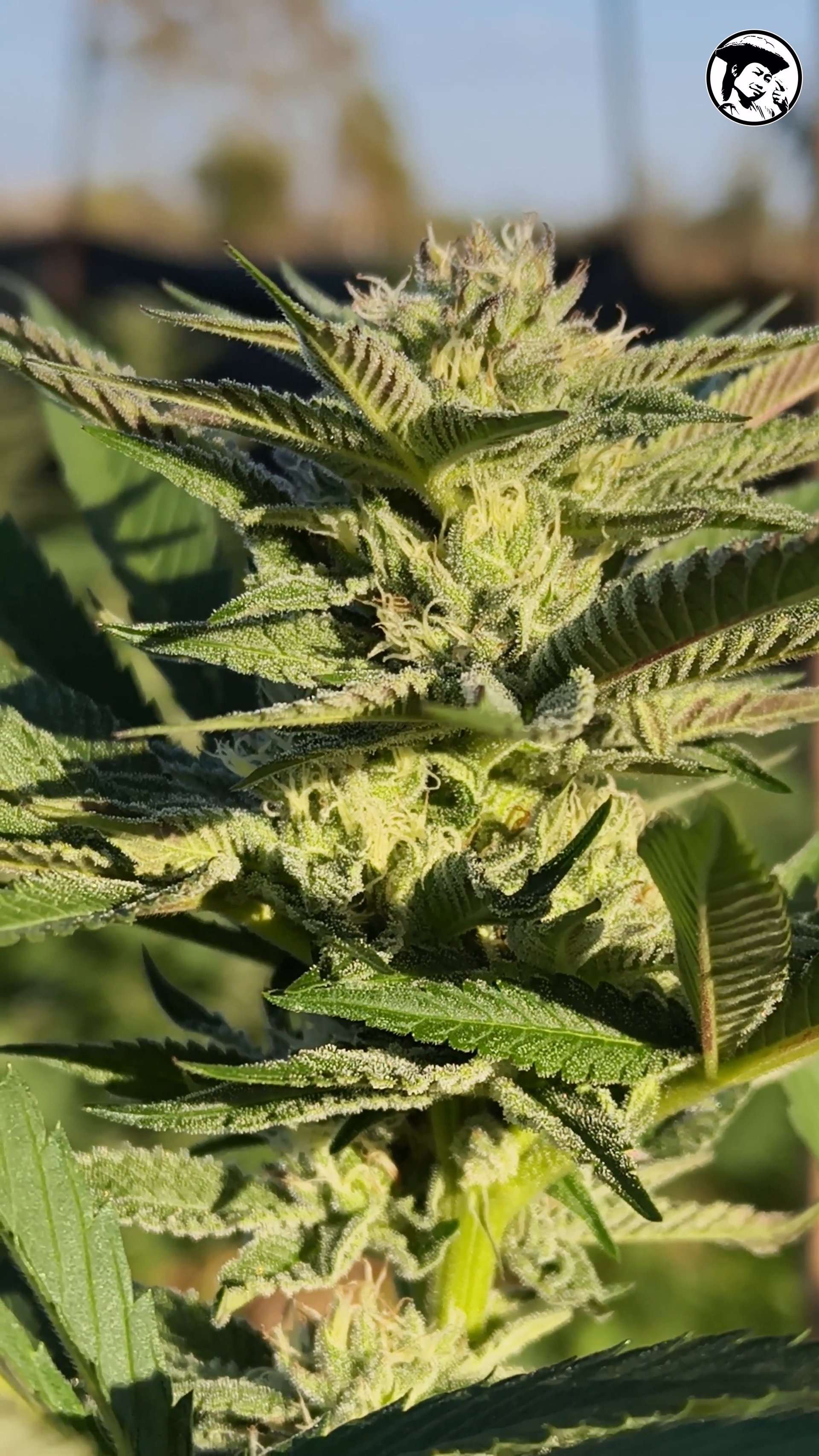
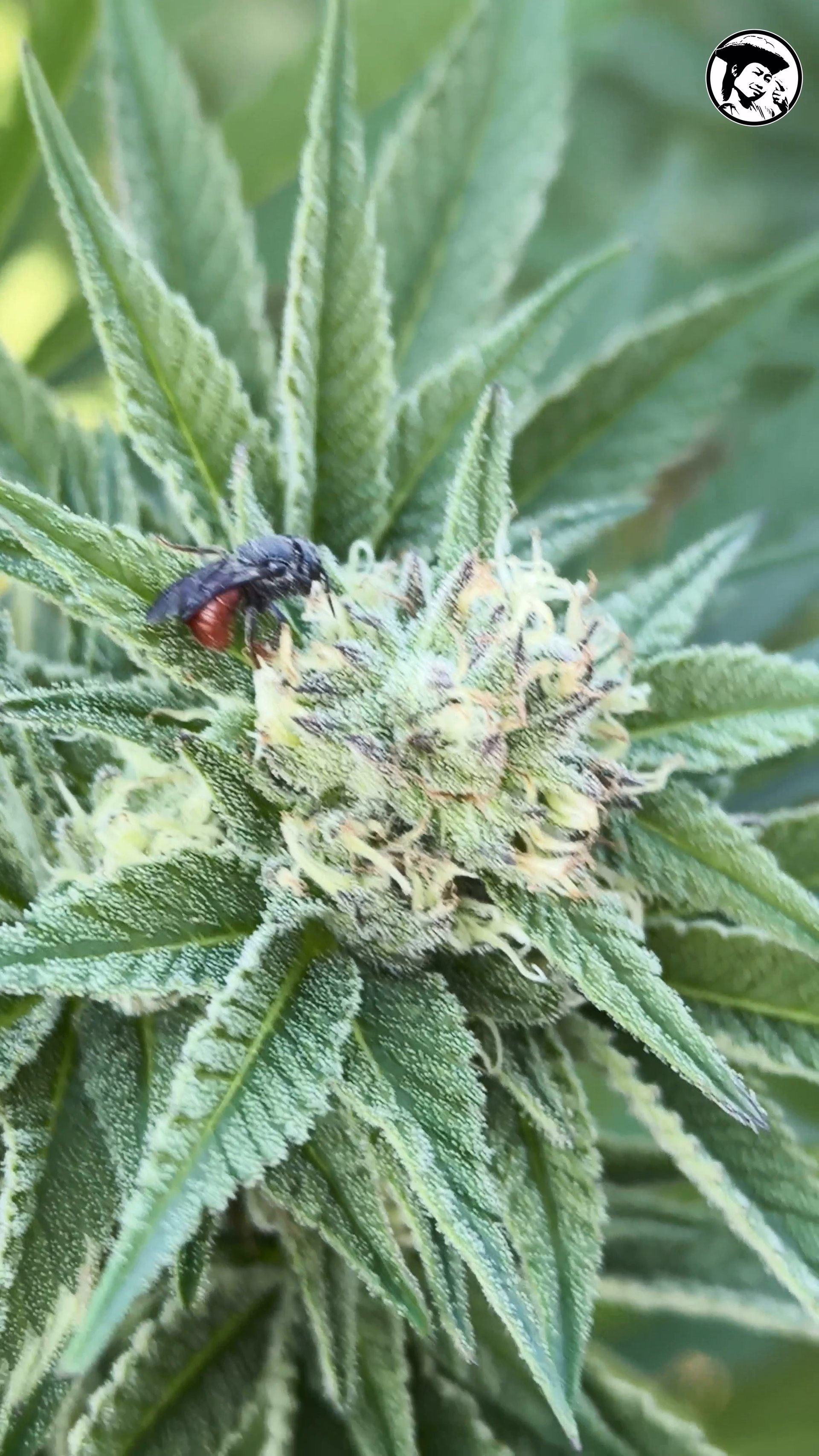

 !!! Why that fly died like that? Where are the other bugs? Nobody else around? So I asked to the farmer "have you sprayed something?"


 is seen everywhere

 . Think thats what people do not understand, sure plant will take all nutrients, but its still like force feeding a person or let the person eat when he is hungry, this is what does make a huge difference in the final expression of the flower. Most organic indoor lacks the pungent outdoor flavor, whilst still force fed with organic liquids in plastic bottles , and that makes peop not taste the difference aswell .